 Standard Methods in Progress: Harmonizing PFAS Methods for Aqueous Matrices
Crafting Consensus Methods
Oral Presentation
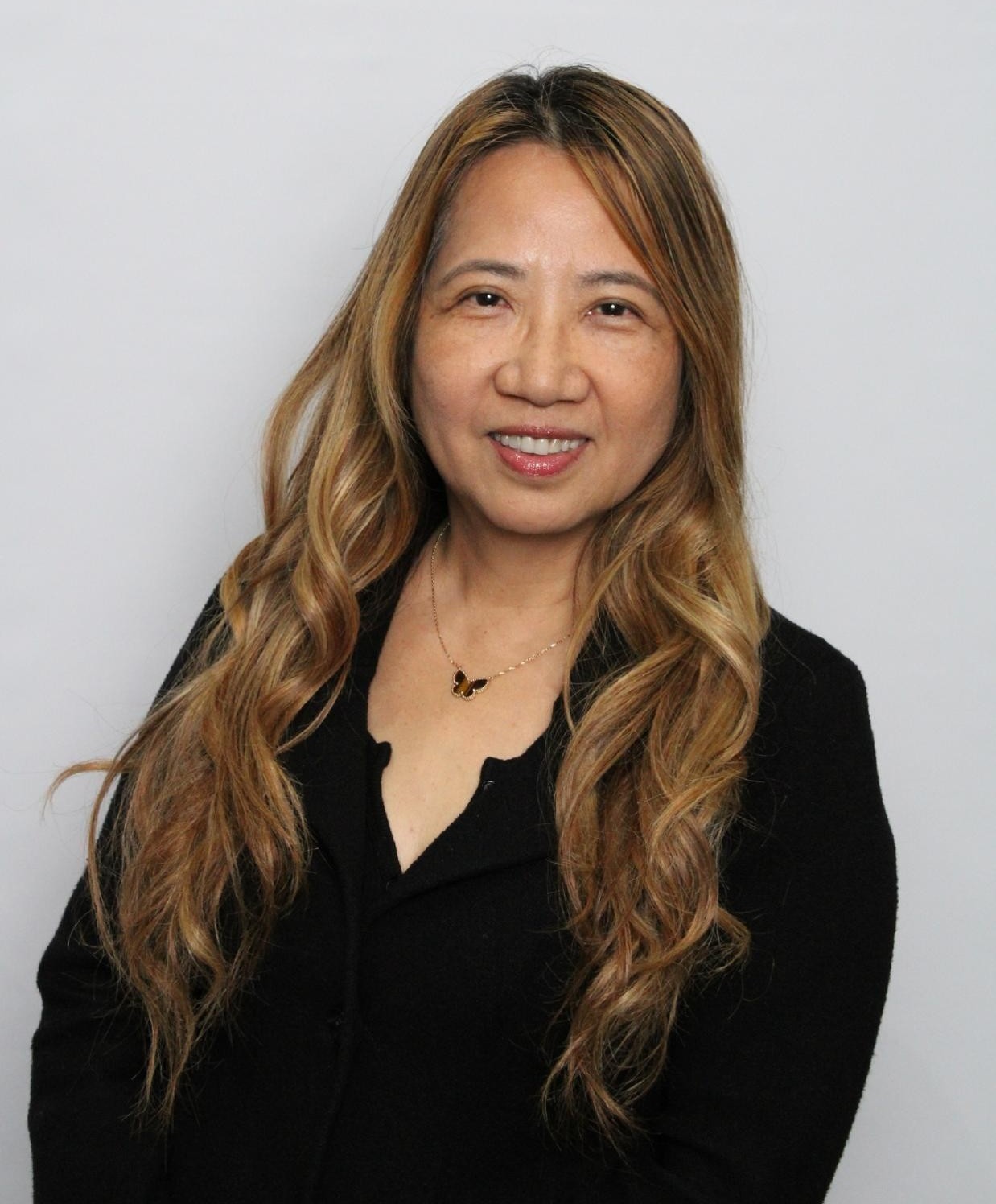
Prepared by L. Sanchez, P. Parmar
Orange County Water District, 18700 Ward Street, Fountain Valley, CA, 92708, United States
Contact Information: [email protected]; 714-378-3344
ABSTRACT
Growing concern over per- and polyfluoroalkyl substances (PFAS) in matrices—including drinking water, surface water, groundwater, wastewater, and biosolids—has underscored the need for consensus-based PFAS methods that are broadly applicable to Standard Methods stakeholders. Although multiple PFAS methods are currently published by ASTM, U.S. EPA, EU, and ISO (e.g., ASTM D7979, D7968, D8421; EPA 533, 537.1, 1633; EN 17892:2024 Part A, EN 17892:2024 Part B; ISO 21675), these methods differ substantially in operational design. Despite their common reliance on LC-MS/MS, variations in extraction approaches, calibration models, target analyte lists, quality control criteria, and chromatographic conditions present ongoing challenges for laboratories supporting multiple programs and matrices.
This work describes an ongoing method development effort intended to support future Standard Methods activities by improving consistency and usability across PFAS analyses. Two complementary PFAS methods are currently under development: (1) SM 6910B - a solvent dilution method (47 analytes) informed by, but not required to be equivalent to, ASTM D8421, with the goal of accommodating multiple matrices and analytes within a single procedure to the extent feasible; and (2) SM 6910C - a harmonized solid-phase extraction (SPE) method (36 analytes) derived from EPA 533-type workflows, focused primarily on drinking water and other clean matrices.
This presentation provides the current development status, technical considerations, and challenges encountered to date. The methods discussed are not final and remain under development. The intent is to share progress, lessons learned, and key decision points with the environmental analytical community to encourage technical dialogue and peer feedback.